NEET Protest 2026 Exposes an Education System Grooming Students for ‘One Rat Race After Another’
By Administrator | Education | 25-Jul-2026 16:53:19
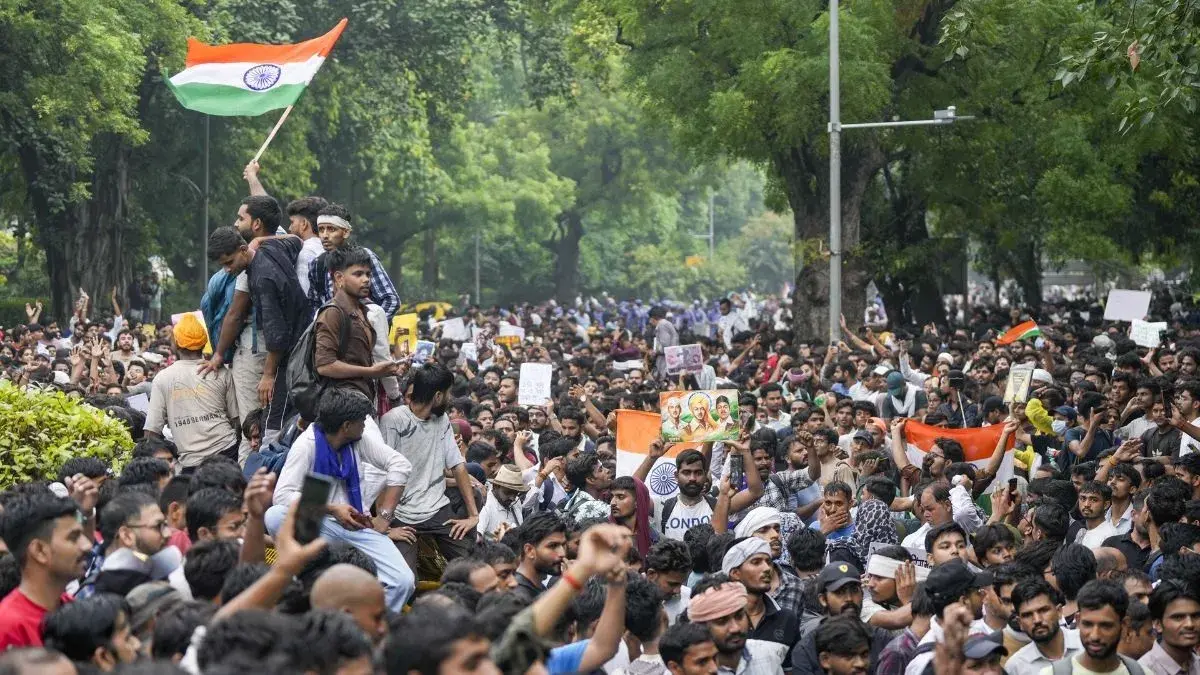
News Story
New Delhi: The ongoing NEET Protest 2026 has once again brought national attention to the intense pressure faced by students preparing for India's highly competitive entrance examinations. While the protests began over concerns related to the examination process and fairness, they have also reignited a broader discussion about the country's education system and the constant cycle of competitive exams that millions of students experience.
Education experts, students, and parents argue that the current system often prioritizes examination performance over conceptual learning, practical skills, and overall well-being. Many believe students move from one competitive milestone to another—from board examinations to NEET, JEE, CUET, postgraduate entrance tests, and government recruitment exams—creating what many describe as a continuous "rat race."
Growing Concerns Over Student Well-Being
Medical aspirants typically spend one to three years preparing for NEET through coaching institutes, online platforms, and self-study. The demanding preparation schedules, coupled with high expectations, have raised concerns about mental health, stress, anxiety, and burnout among students.
Educational psychologists have repeatedly emphasized the importance of balancing academic achievement with emotional well-being. Experts suggest that while competitive examinations are necessary for merit-based admissions, reforms should focus on reducing unnecessary pressure and providing better psychological support.
Why Students Are Protesting
Several student groups have raised concerns regarding:
Transparency in the examination process
Fair evaluation practices
Equal opportunities for all candidates
Better grievance redressal mechanisms
Reduced dependence on high-pressure competitive examinations
Many protesters have also demanded policy reforms that make admissions more holistic instead of relying heavily on a single examination.
Experts Call for Education Reforms
Education policy analysts believe the debate should go beyond the immediate controversy and focus on long-term structural reforms. Suggestions include:
Greater emphasis on school-based learning.
Multiple assessment opportunities instead of a single high-stakes examination.
Improved career counselling in schools.
Better mental health support for students.
Skill-based and multidisciplinary education pathways.
Experts note that India's growing student population requires a more flexible education model that recognizes different talents and learning styles.
Parents Seek Balanced Academic Environment
Parents have also expressed concern that the pressure to secure admission into prestigious medical colleges often begins years before students complete school. Many families invest significant time and financial resources in coaching, making the admission process emotionally and economically demanding.
They believe educational success should not be measured solely by performance in one competitive examination.
Government and Policy Perspective
Education authorities have consistently stated that competitive entrance examinations aim to maintain transparency and merit in admissions. At the same time, policymakers continue to explore ways to improve examination systems, strengthen digital security, and enhance fairness through technological and administrative reforms.
Discussions on education reforms are expected to continue as stakeholders evaluate ways to make higher education admissions more student-friendly while maintaining academic standards.
Looking Ahead
The NEET Protest 2026 has evolved into more than just a debate over one examination. It has become a larger conversation about the future of India's education system, student mental health, and the need for balanced academic reforms.
As policymakers, educators, students, and parents continue the dialogue, many hope the current discussions will lead to meaningful improvements that reduce unnecessary pressure while preserving fairness and quality in higher education admissions.