UGC clears 101 universities to offer distance and online courses for 2025-26
By | Education | 08-Oct-2025 12:36:00
News Story
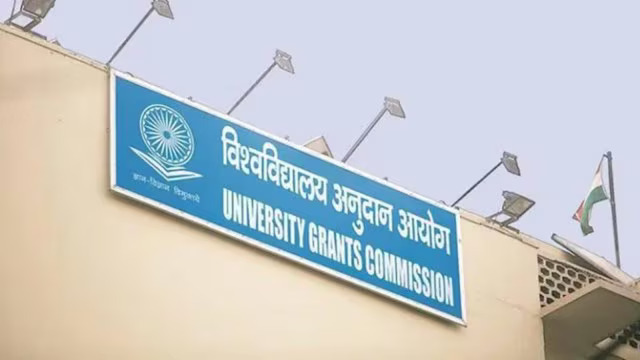
The University Grants Commission (UGC) has given its green light to 101 universities and 20 Category-I institutions
to launch Open and Distance Learning (ODL) programmes for the upcoming academic
year 2025-26, starting July–August. In a significant expansion of digital
education, 113 universities have
also been cleared to run online courses, while 13 institutions will roll out specialized online
programmes.
Admissions into all approved ODL and online
courses will remain open until October 15,
2025.
The approvals follow a rigorous screening of
applications submitted under the UGC (Open and Distance Learning Programmes and
Online Programmes) Regulations, 2020, and its amendments. Only institutions
meeting strict quality benchmarks and compliance norms made it to the final
list.
Wide participation across states
From Andhra Pradesh’s Acharya Nagarjuna
University and Delhi University to Tamil Nadu’s Anna University and Kerala
University, the approvals span almost every corner of the country. Other major
institutions include Jamia Millia Islamia (Delhi), Panjab University
(Chandigarh), University of Mumbai, University of Kashmir, and Amity University
(Uttar Pradesh).
Key regulatory shift
In a move set to reshape professional
education, the UGC has removed the
requirement for AICTE approval for central, state, and private
universities offering ODL and online programmes in Management, Computer Applications, and Travel & Tourism.
However, deemed-to-be universities will still need AICTE’s nod before launching
such courses.
Safeguards and compliance
Approved institutions are mandated to adhere
to UGC’s academic and operational standards — from transparent admissions and
credit frameworks to setting up Learner
Support Centres (LSCs) for student guidance. All admission data must
be uploaded on the UGC’s Distance Education Bureau (DEB) portal through reverse
API integration, ensuring transparency and monitoring.
The development marks a major step in widening access to higher education across India, providing flexible learning options for lakhs of students who seek affordable and quality education beyond traditional classrooms.
Some of the universities approved by the UGC for ODL and online
courses include:
Andhra
Pradesh: Acharya Nagarjuna University (Guntur), Sri Padmavati
Mahila Vishwavidyalayam (Tirupati), Yogi Vemana University, Andhra Pradesh
National Sanskrit University, AP Jawaharlal Nehru Technological University, Sri
Venkateswara University (Tirupati)
Arunachal Pradesh: Arunachal Pradesh Rajiv
Gandhi University
Assam: Krishna
Kanta Handiqui State Open University, Gauhati University, Tezpur University
Bihar: Nalanda
Open University
Chandigarh: Panjab
University, Chandigarh University
Chhattisgarh: Pt.
Sundarlal Sharma University, Dr. C. V. Raman University, Mats University
Delhi: University
of Delhi, Jamia Millia Islamia
Gujarat: Dr.
Babasaheb Ambedkar Open University (Ahmedabad), Gokul Global University
Haryana: Guru
Jambeshwar University of Science & Technology, Maharshi Dayanand
University, Central University of Haryana
Himachal
Pradesh: Himachal Pradesh University, Shoolini University of
Biotechnology and Management Sciences
Jammu
& Kashmir: University of Kashmir, University of Jammu
Jharkhand: Jharkhand
State Open University, Arka Jain University
Karnataka: Jain
University, Karnataka State Open University, Swami Vivekananda Yoga Anusandhana
Samsthana
Kerala: Calicut
University, Kerala University, Sreenarayanaguru Open University
Madhya
Pradesh: Devi Ahilya Vishwavidyalaya, Jiwaji University, M. P. Bhoj
University, Mahatma Gandhi Chitrakoot Gramodaya Vishwavidyalaya
Maharashtra: Mahatma
Gandhi Antarrashtriya Hindi Vishwavidyalaya, Smt Nathibai Damodar Thackersey
Women’s University, Shivaji University, Yashwantrao Chavan Maharashtra Open
University, University of Mumbai, Kavikulaguru Kalidas Sanskrit University,
International Institute for Population Sciences, MIT Art Design &
Technology University
Meghalaya: University of Science
& Technology
Odisha: Sambalpur
University, Utkal University, Odisha State Open University, Sri Sri University,
Fakir Mohan University, Maharaja Sriram Chandra Bhanja Deo University
Puducherry: Pondicherry
University
Punjab: Jagat
Guru Nanak Dev Punjab State University, Lovely Professional University, Punjabi
University, Desh Bhagat University
Rajasthan: Jain
Vishva Bharati Institute, Jagannath University, Jaipur National University,
Vardhman Mahaveer Open University, Vivekananda Global University
Tamil
Nadu: Annamalai University, Anna University (Chennai),
Bharathidasan University (Tiruchirappalli), B.S. Abdur Rahman Crescent
Institute of Science and Technology (Chennai), Kalasalingam Academy of Research
and Higher Education (Srivilliputhur), Manonmaniam Sundaranar University
(Tirunelveli), Tamil Nadu Open University (Chennai), University of Madras,
Sathyabama Institute of Science and Technology (Chennai), Mother Teresa Women’s
University, VELS Institute of Science, Technology & Advanced Studies,
Academy of Maritime Education and Training, Bharathiar University, Periyar
University
Telangana: Maulana
Azad National Urdu University (Hyderabad), ICFAI Foundation for Higher
Education, Dr. B.R. Ambedkar Open University, Kakatiya University
Tripura: Mata Tripura Sundari Open University
Uttar
Pradesh: Amity University, Swami Vivekanand Subharti University,
U.P. Rajarshi Tandon Open University, Mangalayatan University, Integral
University, Shobhit Institute of Engineering & Technology, Teerthanker
Mahaveer University, IIMT University
Uttarakhand: Uttarakhand
Open University, University of Patanjali
West
Bengal: Netaji Subhas Open University, Rabindra Bharati
University, University of Kalyani, University of North Bengal, University of
Burdwan
In a
key regulatory change, the UGC has relaxed the requirement for prior approval
from the AICTE. Central, state, and private universities no longer need AICTE
approval to offer Management, Computer Applications, and Travel and Tourism
programmes via ODL or online mode. However, Deemed-to-be Universities must
still obtain AICTE approval before launching these programmes.
Universities offering ODL and online programmes are required to
follow academic and operational standards, including eligibility of learners,
admission procedures, course duration, credit system, and territorial
jurisdiction rules. Institutions must also establish Learner Support Centres
(LSCs) to provide guidance to students. All admissions must be submitted online
via the DEB Web Portal using reverse API integration to ensure transparency and
compliance with UGC regulations.