High Court puts brake on Karnataka’s expanded SC/ST quota law
By | Education | 02-Dec-2025 14:34:05
News Story
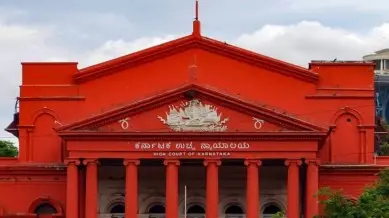
The Karnataka High Court has temporarily halted the state government from
issuing any new recruitment notifications
under the 2022 law that enhanced reservations for Scheduled Castes and
Scheduled Tribes, delivering a significant legal setback to the administration.
The interim stay applies to the Karnataka Scheduled Castes and Scheduled Tribes
(Reservation of Seats in Educational Institutions and Appointments of Posts and
Services) Act, 2022, and will remain in force until further orders.
Despite the pause, the Bench permitted the
government to continue with recruitment processes advertised before November 19, 2025, even if they
apply the enhanced quotas. However, the court made it clear that all resulting appointments will be provisional
and subject to the outcome of the ongoing litigation.
The direction was issued by a division bench
led by Chief Justice Vibhu Bakhru and Justice C. M. Poonacha on November 27
while hearing two public interest litigations filed by petitioners Mahendra
Kumar Mitra of Raichur and Mahesh of Bengaluru.
The petitions challenge the constitutional validity of the reservation hike
— from 15% to 17% for SCs and 3% to 7% for STs — arguing that the move
pushes total reservation in Karnataka to 56%,
breaching the 50% cap established by the
Supreme Court in the landmark Indra Sawhney judgment.
The petitioners also argue that the state
bypassed mandatory constitutional procedure by failing to consult the National Commissions for Scheduled Castes and
Scheduled Tribes, as required under Articles 338(9) and 338A(9).
In its order, the court directed that all
appointment or promotion orders issued under the Act must explicitly mention their provisional status,
ensuring beneficiaries cannot seek protection on grounds of equity if the law
is ultimately struck down.
The Bench further clarified that its interim
relief does not override earlier
judicial orders—interim or final—issued in related matters by other courts or
tribunals.
The state government earlier argued that
halting recruitment would hamper administration due to staffing shortages, but
the court declined to pause ongoing legal scrutiny of the legislation.
The case now moves to the next phase of hearings, with the legality of Karnataka’s expanded reservation framework hanging in balance—alongside thousands of potential public sector appointments.