Panel seeks inclusion of OBC bias in discrimination rules, urges review of EWS quota at senior faculty levels
By | Jobs | 09-Dec-2025 14:37:10
News Story
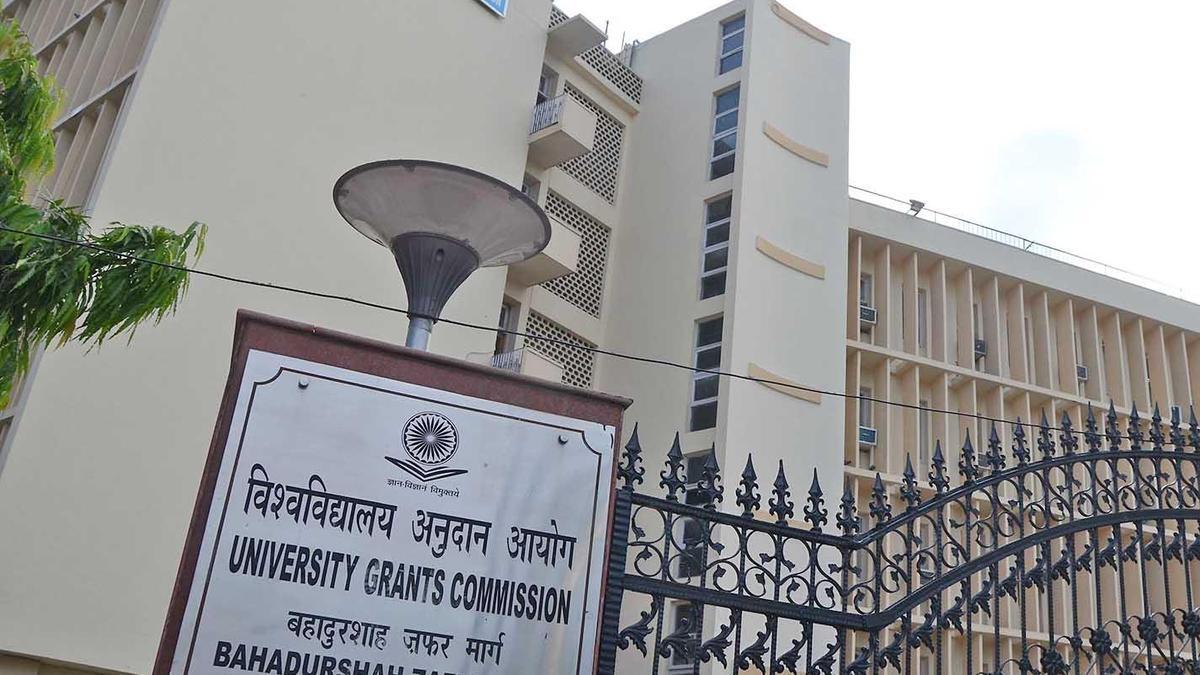
A Parliamentary Standing Committee on Education has urged the University Grants Commission (UGC) to recognize discrimination against Other Backward Classes (OBCs) as a form of caste-based discrimination under the government’s upcoming Promotion of Equity rules.
The recommendation was part of a report tabled in Parliament on December 8,
reviewing autonomous bodies under the Ministry of Education.
The committee also called on the government to
reassess the implementation of the Economically Weaker Sections (EWS)
reservation in Associate Professor and Professor-level appointments. It noted
that due to income criteria and existing pay scales, eligible candidates for
these senior teaching posts are “nearly impossible to find,” leading to
repeated failed recruitment attempts.
Chaired by Congress MP Digvijaya Singh, the
panel observed during a recent review in Varanasi that both Assistant and
Associate Professors draw salaries above the ₹8 lakh income threshold set for
EWS eligibility, ruling out potential applicants by default. It recommended
immediate reconsideration of the quota framework at higher academic levels.
The report also highlighted delays in
appointing a UGC Chairperson—vacant since April—and urged consultation with the
Central Advisory Board of Education before finalising the draft UGC Regulations
2025, especially since at least 10 states have raised concerns.
Calling for stronger accountability
mechanisms, the panel suggested mandatory annual public reporting of caste
discrimination cases, mandatory sensitisation programmes, mental health
support, legal aid, and equitable committee representation—ensuring more than
half of Equity Committee members belong to SC, ST, or OBC communities. It
further recommended adding disability as a recognised axis of discrimination.
On broader higher education reforms, the panel described the NEP 2020 goals—including a 50% Gross Enrolment Ratio by 2030 and the transition to four-year undergraduate degrees—as “ambitious,” cautioning that current funding restrictions for capital projects could hinder progress.
It also flagged capacity gaps in degree colleges tasked with implementing
Multiple Entry–Multiple Exit frameworks and skill-oriented curriculum design.
The report additionally noted disparities in research support, pointing out that unlike IITs and NITs, newly recruited faculty in Central universities and other UGC-funded institutions do not receive seed grants at the start of their tenure.