Parliamentary panel flags exam failures, urges NTA to return to pen-and-paper tests
By | Education | 10-Dec-2025 19:37:58
News Story
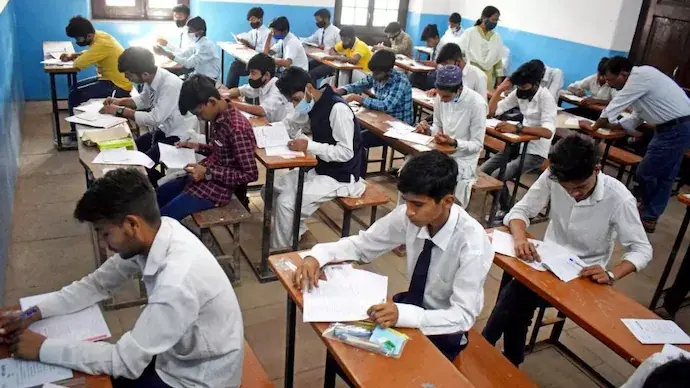
A parliamentary committee has called for a decisive shift back to
pen-and-paper testing after a year marked by multiple exam failures under the
National Testing Agency (NTA), warning that public confidence in national
entrance tests has been severely shaken.
In its latest report, the Standing Committee on
Education chaired by Congress MP Digvijaya Singh said the NTA must rethink its
reliance on computer-based tests (CBTs), strengthen security protocols and
study the long-standing exam models of the CBSE and UPSC, both of which have
remained largely free of major breaches.
A year of
exam setbacks
Of the 14 competitive exams held by the NTA in
2024, at least five ran into major trouble. UGC-NET, CSIR-NET and NEET-PG had
to be postponed, NEET-UG saw instances of paper leaks, and CUET UG/PG results
were delayed. The issues continued into 2025, with 12 questions withdrawn from
JEE Main January 2025 due to errors in the final answer key.
“These instances, otherwise fully avoidable,
must not occur in future,” the committee warned, adding that repeated
disruptions have eroded trust among lakhs of aspirants.
Pen-and-paper
gains favour amid CBT risks
While acknowledging that pen-and-paper exams
carry leak risks and CBTs can face sophisticated hacking, the panel said
traditional paper formats have proven more dependable, pointing to the
integrity record of CBSE and UPSC exams. It recommended that if CBTs continue,
they should be held only in government or government-controlled centres—not
private facilities.
Ban
blacklisted firms, tighten procurement
The panel expressed alarm that firms
previously blacklisted for irregularities were still involved in exam-related
work. It urged the NTA and states to ban such entities outright and compile a
nationwide blacklist to prevent them from securing future contracts.
Surplus
funds must strengthen NTA systems
The report revealed that the NTA generated a surplus of ₹448 crore over six years, with earnings of ₹3,512.98 crore against spending of ₹3,064.77 crore. The committee said this corpus should be used to build in-house exam-conducting capacity and strengthen oversight of external vendors.