Nagaland ties up with IMD to sharpen weather forecasting, research capacity
By | Education | 02-Mar-2026 13:01:44
News Story
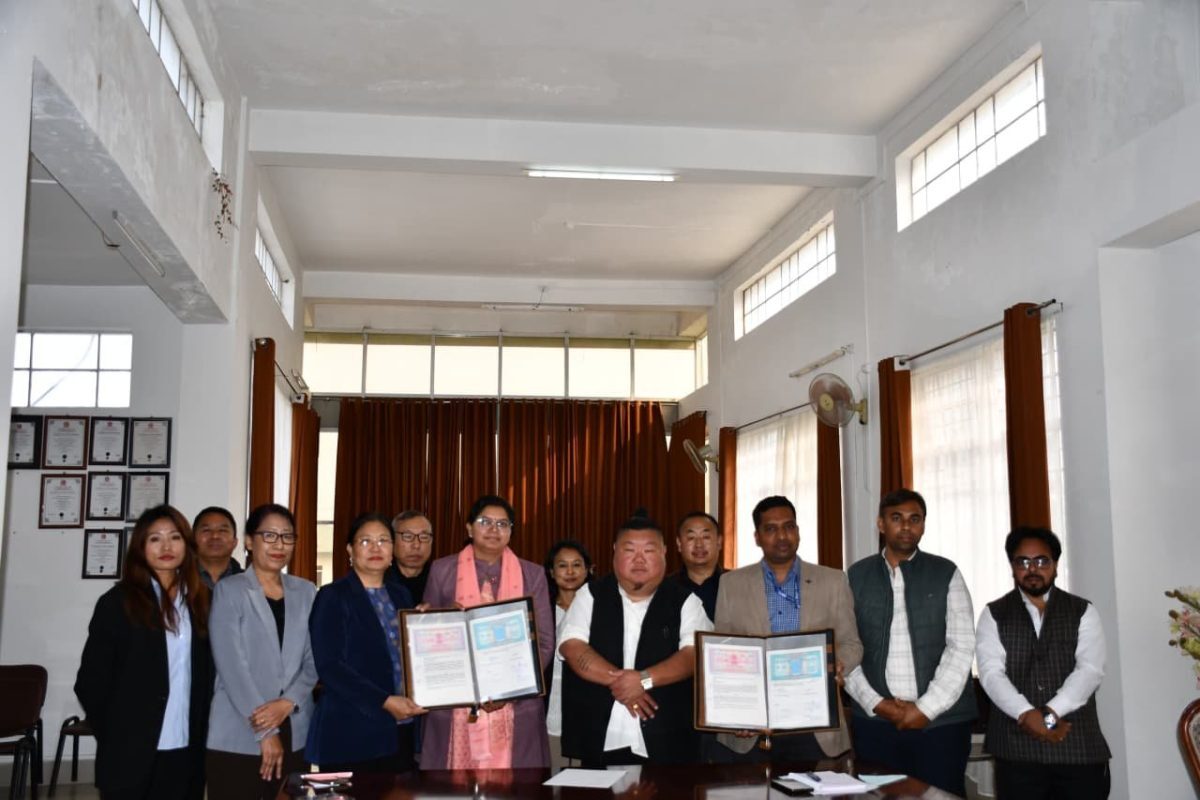
In a significant push to strengthen weather science and disaster preparedness in the Northeast, the Nagaland Department of Higher Education has signed a Memorandum of Understanding (MoU) with the India Meteorological Department (IMD) to boost forecasting capabilities and atmospheric research in the state.
The MoU was signed at the Directorate of Higher Education in Kohima in the presence of Higher Education Minister Temjen Imna Along and senior officials from both sides, marking what authorities described as a long-term institutional partnership in meteorological sciences.
Radar installation under Mission Mausam
Under the agreement, an advanced X-band Polarimetric Doppler Weather Radar will be installed at Dimapur Government College under the Centre’s Mission Mausam scheme.
The radar is expected to significantly enhance real-time monitoring of rainfall patterns, thunderstorms and other severe weather systems in the region.
Nagaland’s complex terrain and vulnerability to intense rainfall, landslides and localized storms have long posed forecasting challenges.
Officials said the new radar system will bridge critical data gaps and strengthen early warning mechanisms.
Focus on research and capacity building
Beyond infrastructure, the MoU lays the foundation for sustained academic engagement between IMD and the state’s higher education institutions.
The collaboration will focus on research partnerships, curriculum enrichment, student training and capacity building in meteorology and atmospheric sciences.
By integrating scientific research with operational forecasting, authorities hope to deepen understanding of weather hazards specific to Nagaland and improve the accuracy and reliability of local forecasts.
A 20-year roadmap
The agreement will remain in force for 20 years, reflecting a long-term commitment to building scientific capability in the state. Officials said the partnership is expected to not only strengthen disaster resilience but also inspire a new generation of researchers and professionals in climate and weather sciences.
With the Northeast increasingly vulnerable to extreme weather events, the MoU signals a strategic shift toward data-driven preparedness and institutional collaboration — positioning Nagaland to better anticipate and respond to the challenges of a changing climate.