LPG shortage hits Delhi’s Shri Ram School, kitchen services face shutdown in 48 hours
By | Education | 13-Mar-2026 12:57:23
News Story
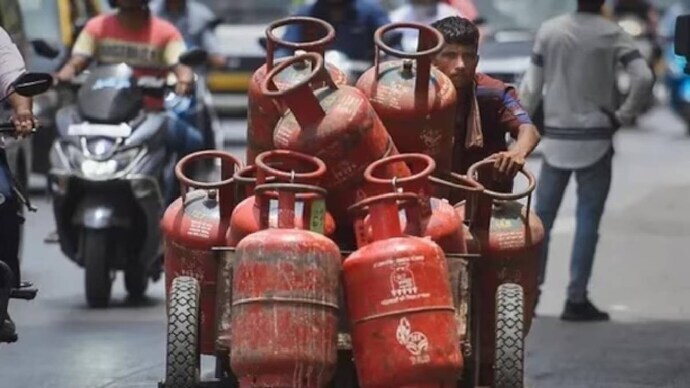
The ongoing LPG supply disruption is now beginning to affect educational institutions in the national capital, with a branch of Shri Ram School reportedly running out of cooking gas cylinders used for its kitchen operations.
The shortage has raised concerns about the continuity of the school’s meal and snack services, which depend on a steady supply of liquefied petroleum gas to prepare food for students each day. If supplies are not restored soon, kitchen operations could face disruption within the next 48 hours.
The issue drew wider attention after entrepreneur and former BharatPe managing director Ashneer Grover highlighted it in a post on social media platform X. In his post, Grover cited the school’s reported LPG shortage as an example of how energy supply disruptions can begin affecting everyday institutions.
His remarks quickly triggered discussion online, with users debating the possible causes of the shortage and the broader implications of disruptions in fuel supply chains.
Grover links shortage to global tensions
Grover suggested that rising geopolitical tensions involving the United States, Israel and Iran could be influencing global energy markets and supply chains, potentially contributing to shortages in places far removed from the conflict zone.
The post rapidly gained traction online, prompting conversations about how international conflicts can create ripple effects in local systems and essential services.
According to claims circulating on social media, the school temporarily struggled to operate its kitchen due to the lack of LPG cylinders, a critical fuel used in institutional kitchens such as schools, hostels and hospitals across India.
Debate erupts on social media
Grover’s post triggered mixed reactions. Some users agreed that geopolitical tensions often cause volatility in energy supply and pricing, while others argued the shortage could be the result of local distribution or logistical challenges rather than international events.
Energy supply chains are known to be sensitive to geopolitical developments, particularly when tensions involve countries that influence global oil and gas markets. Even indirect disruptions can affect fuel availability, transportation and distribution across regions.
Whether the LPG shortage at the school is linked to global tensions or local supply constraints, the episode has once again highlighted how closely interconnected global energy markets and everyday local systems have become.