Delhi University rejects Rahul Gandhi’s caste bias claim on interviews
By | Education | 15-Mar-2026 12:46:37
News Story
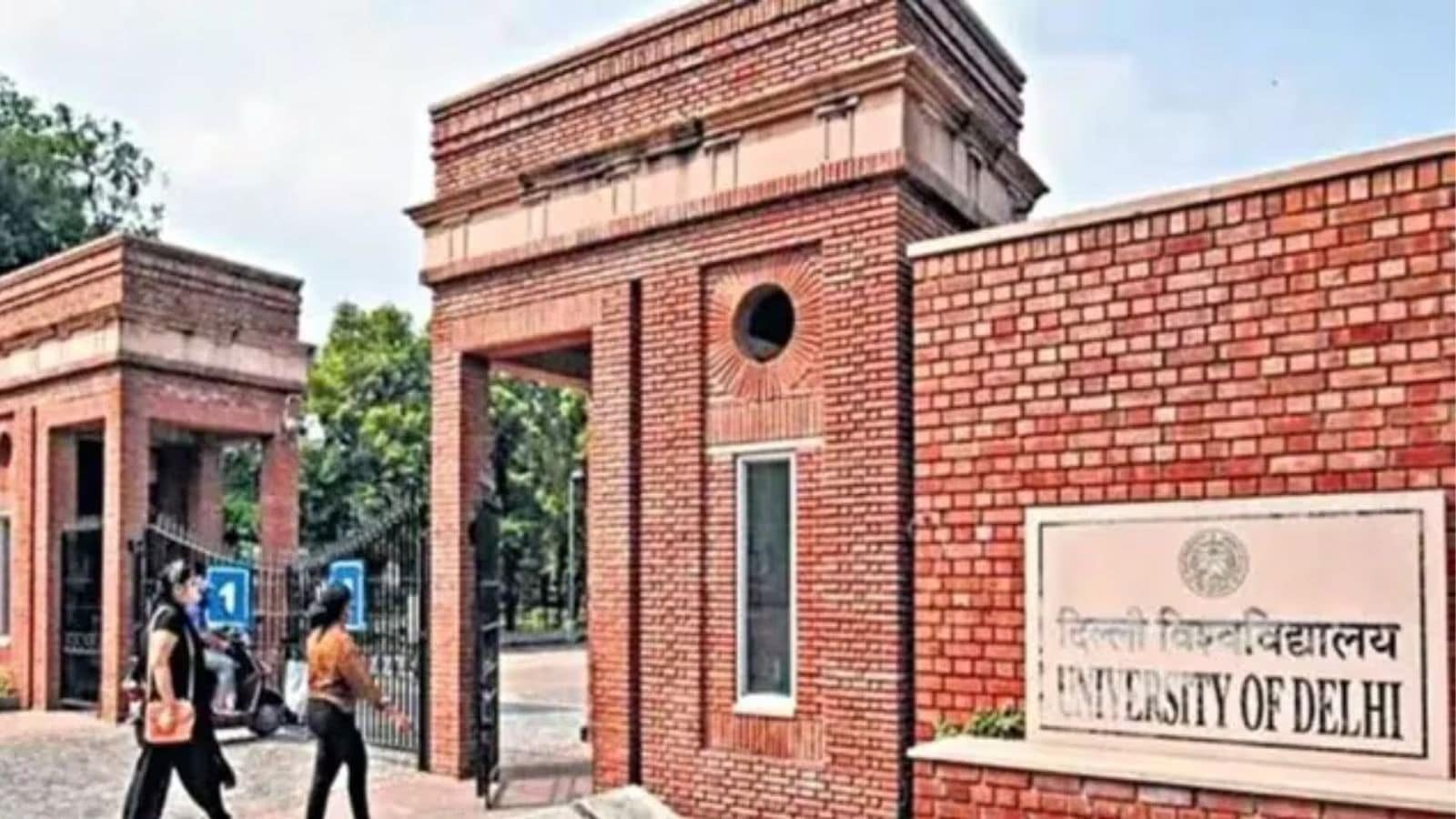
University of Delhi has strongly
dismissed allegations by Rahul Gandhi that
interviews are used to eliminate students on the basis of caste, asserting that
admissions to most programmes are determined primarily through scores in the Common University Entrance Test and do not
require interviews.
In a statement posted late Friday on X, the
university said the claim made by the Leader of the Opposition was factually
incorrect and risked creating a disruptive atmosphere within the campus
community.
“The University of Delhi admits students primarily
based on CUET scores, and the standard admission process does not mandate
interviews for most undergraduate and postgraduate programmes,” the statement
said.
The university added that if Gandhi’s remarks
were aimed at faculty recruitment, thousands of teachers have been appointed
across categories in recent years. It also urged the Congress leader to verify
facts before making public statements.
“We strongly object to such comments, as they
create a non-conducive environment in the University. The Leader of the
Opposition should have verified the facts before making such a statement,” the
university said.
The clarification came after Gandhi, speaking
at an event in Lucknow marking the birth anniversary of Kanshi Ram, alleged that interviews are used as
a tool to exclude students from marginalized communities.
“Interview is just a way to eliminate
students. They ask what your caste is and then you fail in the interview,”
Gandhi said during his address.
He also criticized the Rashtriya Swayamsevak Sangh (RSS), alleging that
there is little representation of OBC, Dalit and Adivasi communities among its
senior pracharaks and calling it a violation of constitutional principles.
The remarks triggered fresh debate within
academic circles. The Indian National Teachers’
Congress (INTEC) and several professors from Delhi University, including
members of its academic and executive councils, pointed to publicly available
records suggesting that in multiple departments, teaching positions reserved
for SC, ST and OBC categories had instances where qualified candidates were
declared “not found suitable” following the interview stage.
The exchange has reignited discussions around representation, recruitment processes and transparency in higher education institutions.