What Are Human Rights? Meaning, Importance and Types
By | Law | 06-Aug-2026 11:55:06
News Story
Human rights are the basic rights and freedoms that belong to every person simply because they are human. Regardless of age, gender, religion, caste, nationality, language, disability, or economic status, everyone deserves to live with dignity, equality, freedom, and security. These rights form the foundation of a fair and inclusive society and are protected by national laws as well as international human rights principles.
In India, human rights are protected by the Constitution, various laws, and institutions such as the National Human Rights Commission (NHRC). At the global level, the Universal Declaration of Human Rights (UDHR), adopted by the United Nations in 1948, serves as the foundation for modern human rights principles.
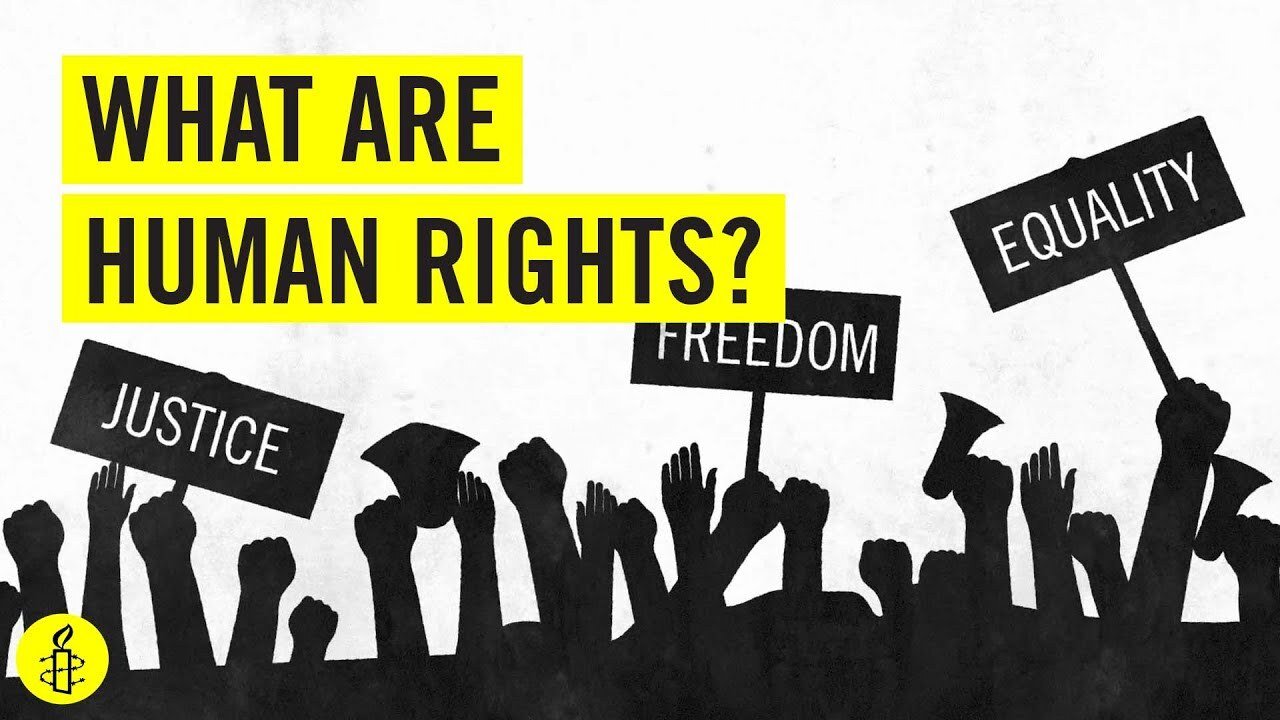
What Are Human Rights?
Human rights are universal, meaning they belong to every individual without discrimination. These rights cannot be taken away arbitrarily and are intended to ensure that every person is treated with dignity and respect. They protect people from unfair treatment and ensure equal opportunities in society.
These rights include the freedom to express opinions, access education, receive healthcare, practice one's religion, work in safe conditions, and live without discrimination or violence.
Human rights are based on four key principles:
Equality
Dignity
Freedom
Justice
Why Are Human Rights Important?
Human rights play an essential role in building a fair and peaceful society. They help protect individuals from abuse, discrimination, exploitation, and injustice.
Some of the key reasons why human rights are important include:
Promote equality among all citizens.
Protect people from discrimination and violence.
Support access to education, healthcare, and employment.
Encourage freedom of speech, belief, and expression.
Strengthen democracy and the rule of law.
Promote social justice and peaceful coexistence.
When human rights are respected, communities become more inclusive, safe, and equitable.
Types of Human Rights
Human rights cover many aspects of life. Some of the major categories include:
1. Civil and Political Rights
These rights protect individual freedom and participation in public life.
Examples include:
Right to life
Freedom of speech and expression
Freedom of religion
Right to vote
Right to equality before the law
Protection against arbitrary arrest
2. Economic Rights
Economic rights ensure people have opportunities to earn a livelihood and improve their quality of life.
Examples include:
Right to work
Equal pay for equal work
Safe working conditions
Protection against forced labour
3. Social Rights
Social rights help individuals live healthy and secure lives.
Examples include:
Right to education
Right to healthcare
Right to social security
Right to housing
4. Cultural Rights
These rights protect cultural identity and diversity.
Examples include:
Freedom to practice culture and traditions
Right to use one's language
Protection of cultural heritage
5. Environmental Rights
A clean and healthy environment is increasingly recognised as essential for human well-being.
These include:
Access to clean air and water
Healthy surroundings
Environmental protection for future generations
Human Rights in India
The Constitution of India guarantees Fundamental Rights under Part III (Articles 12–35). These provisions, particularly Articles 14–32, safeguard the dignity, liberty, equality, and freedoms of individuals while providing constitutional remedies against violations.
These include:
Right to Equality
Right to Freedom
Right against Exploitation
Right to Freedom of Religion
Cultural and Educational Rights
Right to Constitutional Remedies
These constitutional rights strengthen the protection of human rights across the country.
Human Rights vs Fundamental Rights
Although these terms are often used together, they are not identical.
Who Protects Human Rights in India?
Several institutions work to protect and promote human rights in India.
Some of the important organisations include:
National Human Rights Commission (NHRC)
State Human Rights Commissions (SHRCs)
National Commission for Women (NCW)
National Commission for Protection of Child Rights (NCPCR)
National Legal Services Authority (NALSA)
These bodies help spread awareness, examine complaints, and support the protection of rights under their respective mandates.
How Can Citizens Promote Human Rights?
Every individual can contribute to a more respectful and inclusive society by:
Respecting the rights of others.
Speaking against discrimination and violence.
Promoting equality and inclusion.
Supporting education and awareness.
Reporting genuine human rights concerns to the appropriate authorities.
Participating in community awareness initiatives.
Human rights protection is a shared responsibility between governments, institutions, and citizens.
Official Resources
For authentic information and awareness materials, refer to the following official websites:
National Human Rights Commission (NHRC): https://nhrc.nic.in
Human Rights Complaint Portal: https://hrcnet.nic.in
Ministry of Law and Justice: https://legislative.gov.in
India Code: https://www.indiacode.nic.in
United Nations Human Rights (OHCHR): https://www.ohchr.org
Need Help?
If you believe a human rights issue requires attention, you may contact the appropriate authority depending on the nature of the concern.
National Human Rights Commission (NHRC)
Website: https://nhrc.nic.in
Online Complaint Portal: https://hrcnet.nic.in
Telephone: 011-24651330
Toll-Free Helpline: 14433
Other Important Helplines
National Emergency: 112
Women Helpline: 181
Child Helpline: 1098
Cyber Crime Helpline: 1930
Free Legal Aid (NALSA): https://nalsa.gov.in
You may consider contacting the National Human Rights Commission (NHRC) if you believe there has been a violation of human rights by a public servant or public authority, or in other situations that fall within the Commission's jurisdiction. Visit the official NHRC website for eligibility, complaint procedures, and applicable guidelines.
Disclaimer: This article is published for educational and public awareness purposes only. It should not be considered legal advice. For legal guidance or to report a specific incident, please contact the relevant government authority or seek advice from a qualified legal professional.